
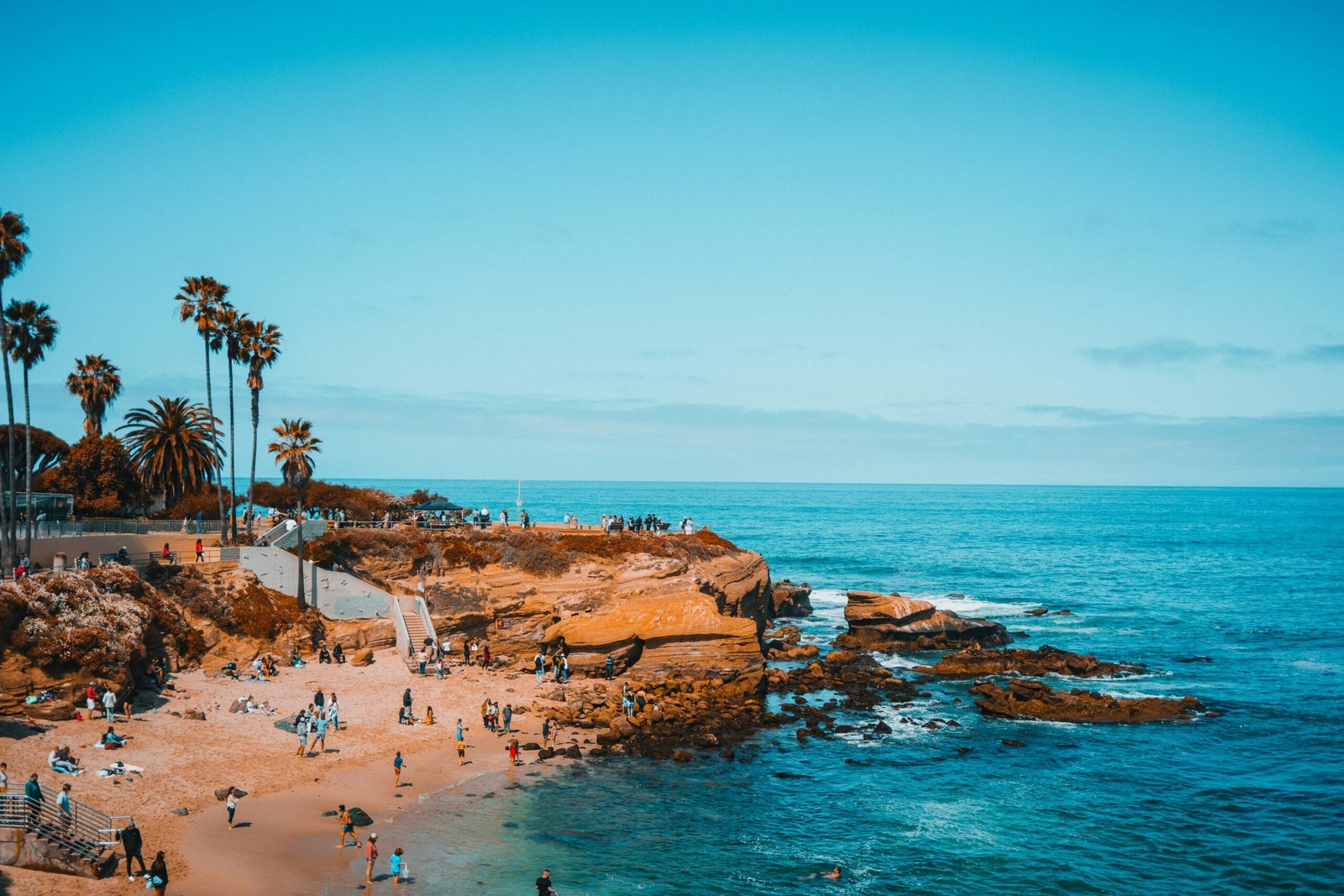
La Jolla Cove
La Jolla Cove is one of the most breathtaking coastal destinations in Southern California. Famous for its crystal-clear waters, dramatic sandstone cliffs, playful sea lions, and unforgettable sunsets, this small but spectacular beach attracts millions of visitors every year. Whether you’re planning a relaxing beach day, snorkeling in a protected marine reserve, or simply enjoying the panoramic Pacific Ocean views, La Jolla Cove offers something for everyone.
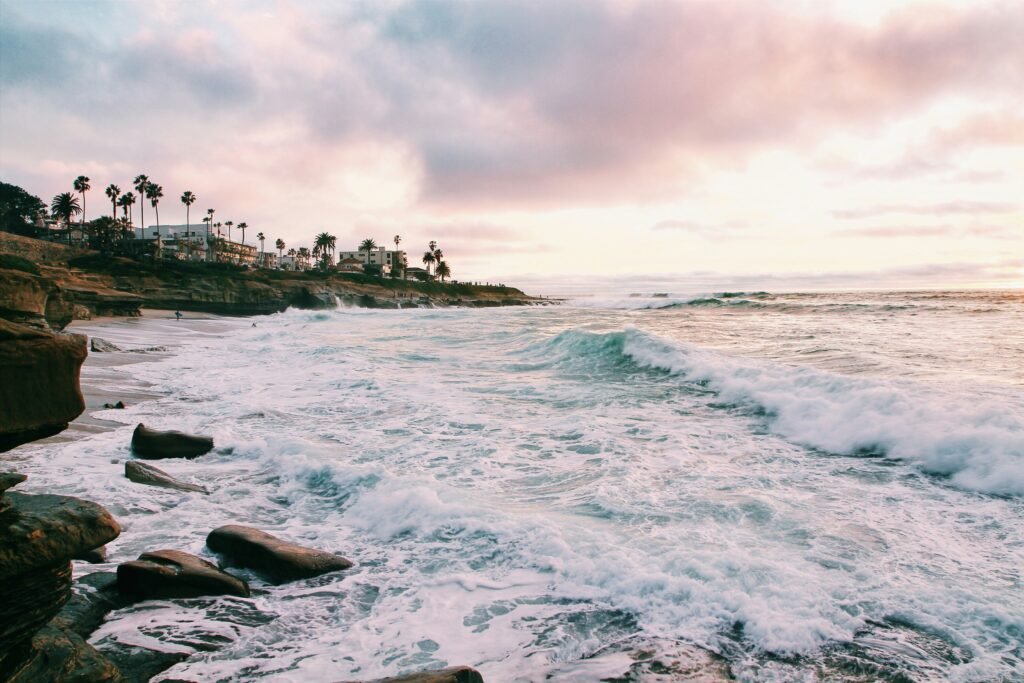
This ultimate guide covers everything you need to know before visiting La Jolla Cove, including its history, location, parking, entry fees, opening hours, the best time to visit, top attractions, nearby places, travel tips, frequently asked questions, and more.
Introduction
Located in the charming seaside community of La Jolla, about 12 miles north of downtown San Diego, La Jolla Cove is considered one of California’s most beautiful natural attractions. Unlike large sandy beaches, the cove is a small, picturesque inlet surrounded by rugged cliffs and turquoise waters.
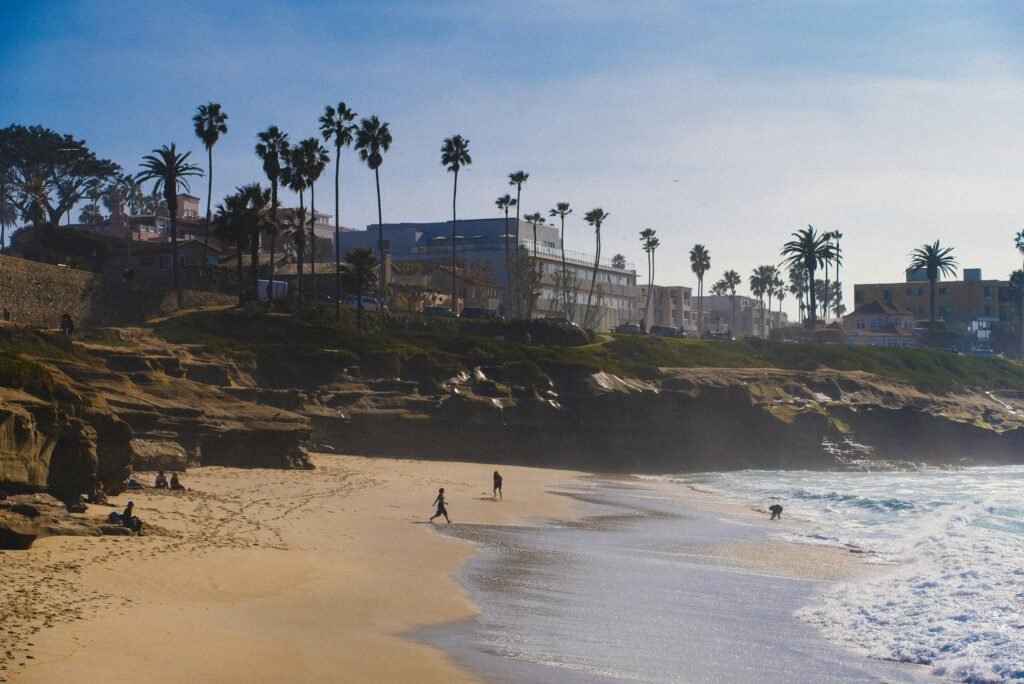
The cove is part of the San Diego-La Jolla Underwater Park Ecological Reserve, making it a paradise for snorkelers, scuba divers, kayakers, swimmers, photographers, and nature lovers. The protected waters allow marine life to thrive, offering visitors the rare opportunity to see colorful fish, sea lions, harbor seals, leopard sharks (seasonally), and even dolphins or whales during migration seasons.
Whether you’re visiting for adventure or relaxation, La Jolla Cove delivers an unforgettable coastal experience.
History
La Jolla Cove has been a treasured natural landmark for centuries. Long before European settlers arrived, the Kumeyaay people lived in the region and relied on the rich marine ecosystem for food and resources.
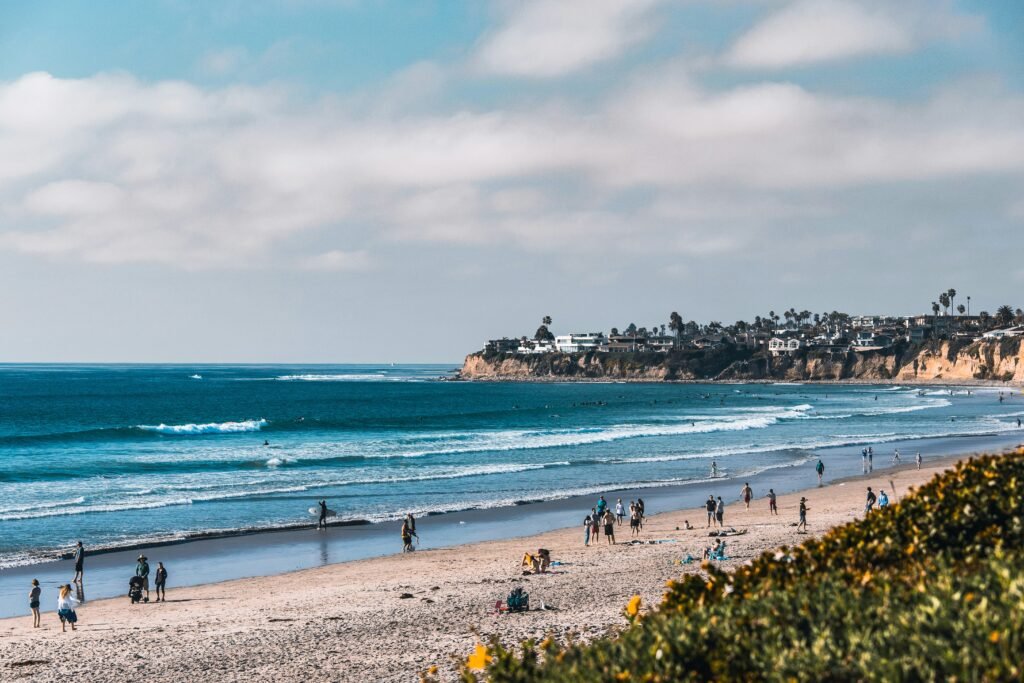
As San Diego developed during the late 19th and early 20th centuries, La Jolla became known as an upscale seaside community. Conservation efforts eventually led to the creation of the San Diego-La Jolla Underwater Park Ecological Reserve in 1970, helping protect the area’s unique marine habitat.
Today, La Jolla Cove is recognized as one of California’s premier snorkeling and diving destinations, attracting visitors from around the world while preserving its natural beauty for future generations.
Location
Address:
1100 Coast Boulevard, La Jolla, CA 92037
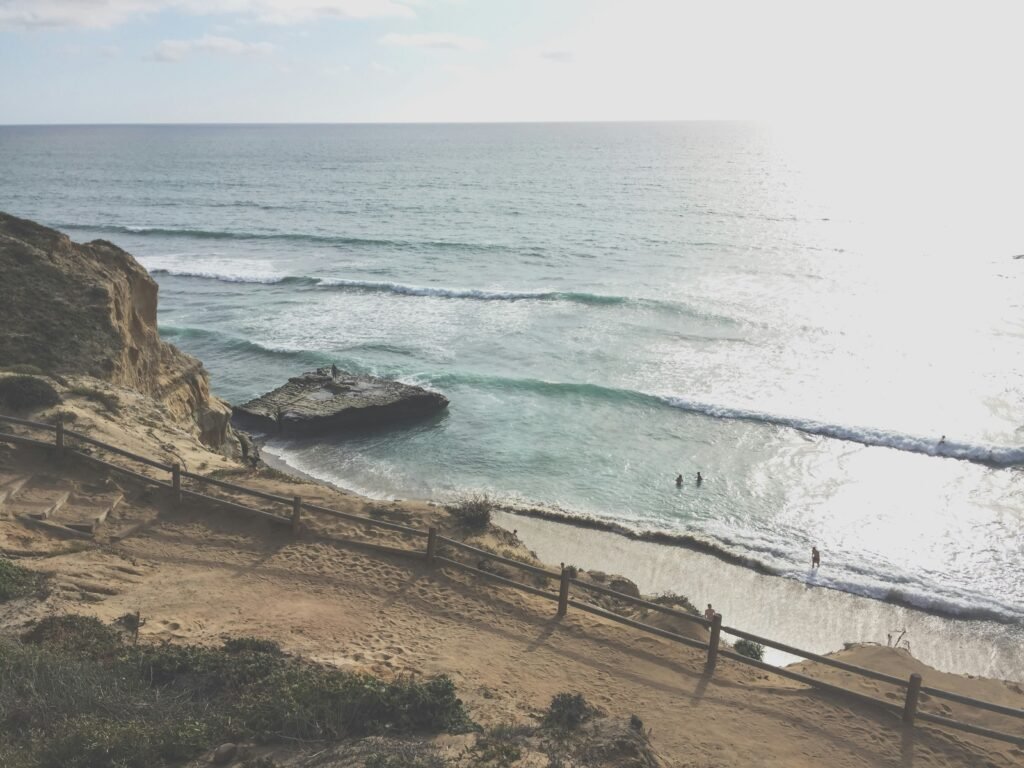
La Jolla Cove sits along Coast Boulevard in the heart of La Jolla Village. The area is surrounded by restaurants, cafés, art galleries, boutique shops, and scenic walking paths, making it easy to spend an entire day exploring.
Nearby landmarks include:
- Ellen Browning Scripps Park
- Children’s Pool Beach
- La Jolla Village
- Sunny Jim Cave
- Birch Aquarium
- Mount Soledad National Veterans Memorial
How to Reach
By Car
Driving is the easiest way to reach La Jolla Cove. From Interstate 5, take the La Jolla Parkway exit and follow signs toward Coast Boulevard. The drive from downtown San Diego typically takes 20–30 minutes, depending on traffic.
By Public Transportation
Several MTS bus routes connect downtown San Diego and nearby neighborhoods with La Jolla Village. From the bus stop, it’s a short walk to the cove.
By Bike
Cycling is a popular option thanks to scenic coastal roads and dedicated bike lanes.
From San Diego International Airport
The airport is approximately 14 miles away. Visitors can reach La Jolla Cove by rental car, rideshare, taxi, or public transportation in about 25–35 minutes.
Parking
Parking near La Jolla Cove is limited, especially during weekends, holidays, and summer months.
Available parking options include:
- Free street parking (time restrictions may apply)
- Public parking lots nearby
- Paid private parking garages
- Hotel parking for guests
Parking Tips
- Arrive before 9:00 AM for the best chance of finding free parking.
- Weekdays are less crowded than weekends.
- Be sure to read all parking signs carefully to avoid tickets.
- Consider using rideshare services during peak tourist seasons.
Entry Fee
One of the best things about La Jolla Cove is that admission is completely free. Visitors can enjoy the beach, walking trails, ocean views, and nearby parks without paying an entrance fee.
However, certain activities such as kayak tours, snorkeling rentals, scuba diving lessons, or guided wildlife tours may have separate costs.
Timing
La Jolla Cove is open daily, and visitors can enjoy the area from sunrise to sunset. While there are no official gate hours for the beach, daylight hours are the safest and most enjoyable time to explore.
Early mornings offer calm waters and fewer crowds, while evenings provide spectacular sunset views over the Pacific Ocean.
Best Time to Visit
The best time to visit La Jolla Cove depends on your interests.
- Spring (March–May): Pleasant temperatures, blooming coastal scenery, and moderate crowds.
- Summer (June–August): Warm weather, ideal for swimming and snorkeling, but expect heavy crowds.
- Fall (September–November): Warm ocean temperatures, fewer tourists, and beautiful sunsets.
- Winter (December–February): Cooler weather, excellent whale watching, and quieter beaches.
For photography and peaceful walks, visit early in the morning or just before sunset.
Things to Do
Snorkeling
The clear water makes La Jolla Cove one of California’s best snorkeling destinations. You’ll often see colorful fish, sea stars, and other marine life.
Scuba Diving
Certified divers love exploring the underwater ecological reserve, which features kelp forests, rocky reefs, and abundant sea life.
Watch the Sea Lions
Sea lions frequently relax on the rocks near the cove. Watching them from a safe distance is one of the highlights of any visit.
Swimming
The calm waters make swimming enjoyable for experienced swimmers, especially during summer.
Photography
Capture dramatic cliffs, turquoise waters, wildlife, and unforgettable sunsets.
Walk Through Ellen Browning Scripps Park
This beautiful oceanfront park offers grassy picnic areas, walking paths, and stunning coastal views.
Explore Sunny Jim Cave
Take a guided visit to one of California’s only sea caves accessible by land.
Nearby Places
- Children’s Pool Beach
- La Jolla Shores Beach
- Birch Aquarium
- Mount Soledad National Veterans Memorial
- La Jolla Village
- Museum of Contemporary Art San Diego
- Torrey Pines State Natural Reserve
Visitor Tips
- Wear comfortable walking shoes.
- Bring reef-safe sunscreen.
- Stay a safe distance from sea lions and seals.
- Never feed wildlife.
- Carry water and snacks.
- Visit early for easier parking.
- Check ocean conditions before swimming.
- Bring a waterproof camera for underwater photos.
- Respect protected marine habitats.
- Leave the beach cleaner than you found it.
Frequently Asked Questions
Is La Jolla Cove free?
Yes, visiting the cove is completely free.
Can you swim at La Jolla Cove?
Yes. Swimming is popular, but always check ocean conditions before entering the water.
Are sea lions dangerous?
Sea lions are wild animals. Observe them from a safe distance and never attempt to touch or feed them.
Is parking free?
Some street parking is free, but spaces are limited.
What is La Jolla Cove famous for?
It is famous for crystal-clear water, snorkeling, scuba diving, sea lions, dramatic cliffs, and spectacular sunsets.
Is La Jolla Cove family-friendly?
Yes. Families enjoy walking, wildlife viewing, picnics, and exploring nearby parks.
Can I bring my dog?
Dogs are generally not allowed on the beach during certain hours. Check current local regulations before visiting.
How long should I spend at La Jolla Cove?
Most visitors spend two to four hours exploring the cove and nearby attractions.
Conclusion
La Jolla Cove is more than just a beautiful beach—it’s one of San Diego’s most treasured natural attractions. Whether you’re snorkeling in crystal-clear waters, watching playful sea lions, enjoying breathtaking ocean views, or exploring nearby parks and coastal trails, every visit offers a memorable experience. With free admission, abundant wildlife, and easy access to restaurants and local attractions, La Jolla Cove deserves a place on every San Diego itinerary.
Before your trip, plan your parking, arrive early to avoid crowds, and respect the protected marine environment to help preserve this incredible destination for future generations.
For more San Diego travel guides, hidden gems, beach recommendations, and local tips, explore more articles on Visitsandiego.us.